Advantages of Construction Schedules
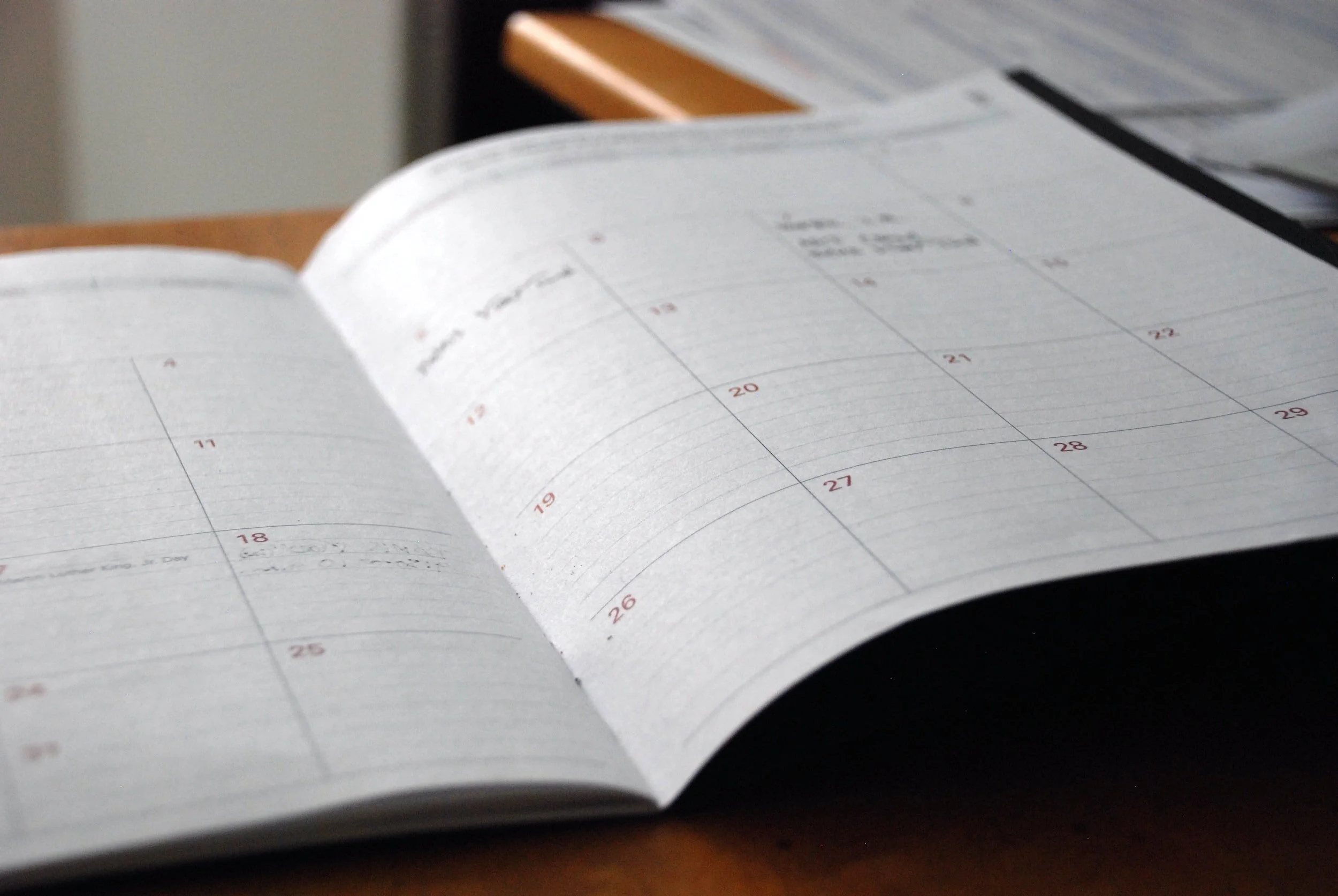
Construction schedules help keep projects on track. They allow contractors to plan ahead and when an issue arises, there’s a simple visual that shows if tasks can be shifted or if construction needs to pause altogether. A schedule also lets you see how busy you’re going to be from week to week and where gaps need to be filled. More indirectly, project schedules allow you to charge more fees (more on that later).
That being said, I find most contractors don’t make project calendars! I’ve talked about this with several contractors and the hesitation is that there are often unexpected delays. I get it. But, I’m here to tell you that the benefits of a project schedule outweigh the risk that a schedule will need to change because of a delay. When the best contractors experience a delay it’s usually not their fault. It’s often an outside issue—the cabinetry came in damaged, there was a structural issue discovered during demo, etc. that causes the delay. It’s up to you to do everything within your power to stay on track, but contractors also need to be clear with the client, upfront, that there’s always the potential for the schedule to change. In fact, it helps to actually type on the actual schedule, “subject to change.”
We provide project schedules for our interior design clients and they change all the time. However, our clients don’t freak out about it, because they’re not in the dark. We communicate what the updated plan is before they have the opportunity to ask, and update the schedule accordingly.
Of all the contractors I am currently working with, only one consistently sends the client and I a construction schedule for every single project. His projects tend to run very smoothly and stay on track. For context, he also runs several projects at a time, which very few small contracting companies do successfully. Schedules make a HUGE difference.
There are at least three reasons why you should be providing a construction schedule.
It Gives Clients Peace of Mind
You’d be surprised how much better a client feels when they know what the heck is going on. When clients are left in the dark, they will call you every 5 minutes. Our clients almost never call us, because they always know what’s been completed, what we’re working on and what’s going to happen next. That goes a long way, because it allows the client to trust you.
If those involved don’t know what’s planned from week to week, it’s a free for all, and that equals unnecessary issues and stress. And guess what? Clients will call and complain a lot more, because they have no idea what’s happening next, and that makes them nervous.
People outside of the industry have no idea what happens during construction and in what order. Clients will often come to us asking the order of things during construction, which doesn’t make sense. We know the answers, but this should be information provided to them by the contractor, since they’re doing the build out.
Set Deadlines Convey a Higher Level of Service
When I worked in high-end residential design, there was always a construction schedule that everyone could reference. Did it change sometimes? Of course. But everyone on the project team had the opportunity to pivot and adjust accordingly, instead of being left in the dark. The contractors that keep everyone updated provide a higher level of service.
Guess what? When you provide a higher level of service, you get to charge more money. Schedules convey organization. When you work on higher end projects, they expect everything to be taken care of for them. One way to prove that is with a timeline, so they know what’s happening from week to week.
“But, Shila. What if we have projects with constant delays? Then the schedule will make us look bad, because it’s changing all the time.”
If you’re experiencing delays on every project, that’s a separate issue that you need to look at and solve ASAP. If you’re doing everything right on your end, and you’re still experiencing delays, that means you probably aren’t giving yourself enough time to finish a project in the first place. It pays to underpromise and overdeliver. If you’re finishing projects 2 weeks late consistently, that means you’re not estimating enough time for each project. If you usually estimate a kitchen will take 8 weeks, start estimating 10 weeks. And charge accordingly.
It Allows Other Members of the Project Team to Help You
When we work with clients through Comprehensive Design, we handle all the procurement. Meaning, we order and track products, and schedule any major deliveries or installations. If we don’t know the construction schedule, we can’t do our job.
If we don’t know when certain professionals are working onsite, we can’t make sure the tile, lighting fixtures and plumbing fixtures are onsite when you need them. Equally as important, we want to make sure things like appliances are delivered a bit later, so there aren’t huge items in your way during demo and framing. Same with delays. If we don’t know about that surprise structural issue, we can’t push back that cabinetry delivery.
Other members of the project team can help you keep a project on track, but we can’t do that unless we know what’s happening on a consistent basis.
Getting in the habit of creating a project schedule will streamline your business. Once you create a template, you can use the same framework over and over with just a few adjustments. You can do this via email, in Google sheets, or use something more sophisticated like Asana,
Creating a construction schedule or a schedule for any type of project is a simple way of conveying your value (by showing the amount of work you’re doing for this client) and keeping your project on track. It will also allow your subcontractors and partners to support you during construction, so you don’t need to go it alone.